2023 Glassco Translation Residency in Tadoussac

The webpage header is a landscape photo of a rock shore bay in Tadoussac at sunset. The sky over the bay is cloudy. A young man stands close to the foreground, with another person at a far distance behind them looking to the water. The banner reads "Glassco Translation Residency in Tadoussac".
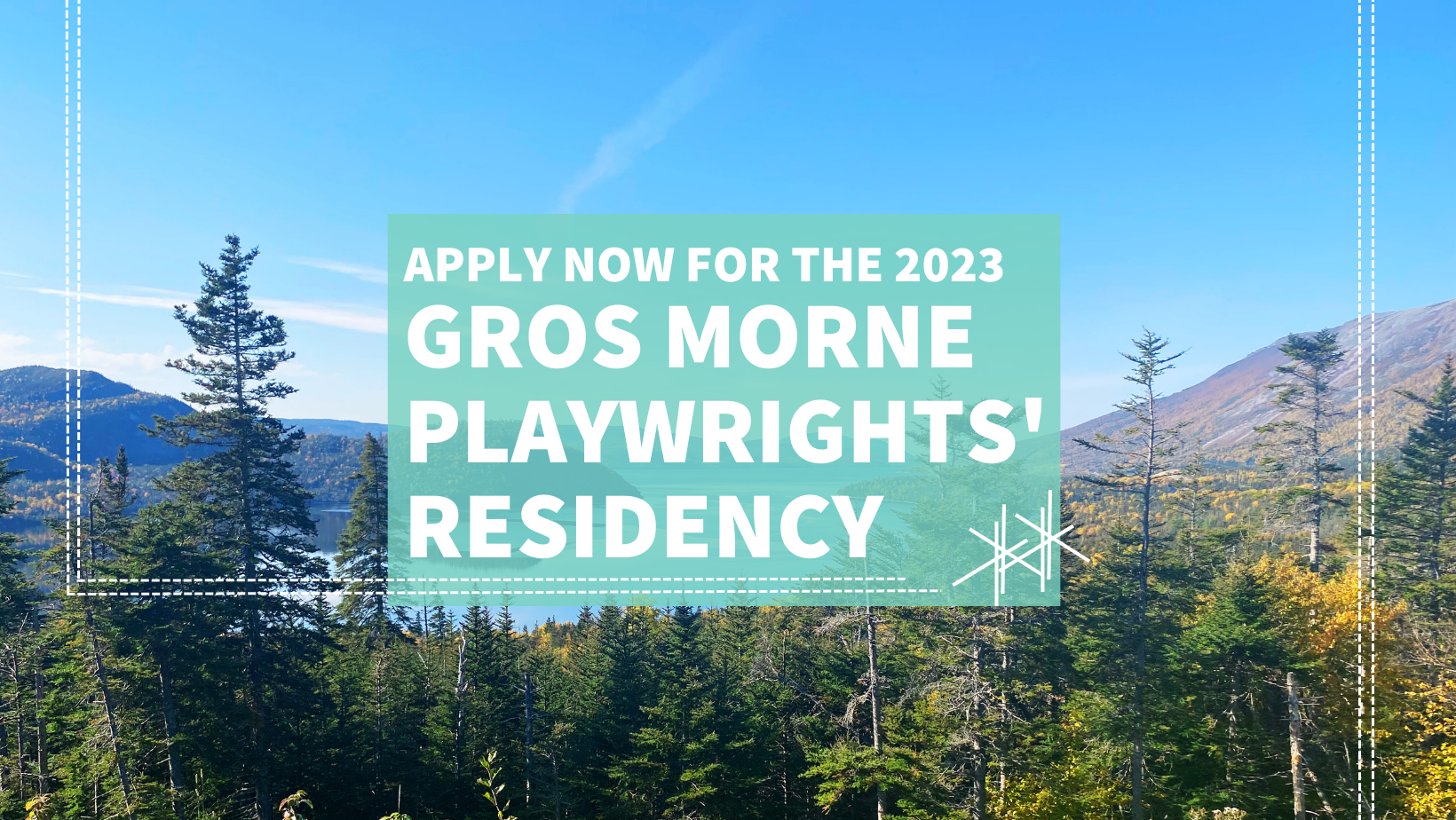
Applications are now closed for the  Résidence de traduction Glassco à Tadoussac, a Playwrights’ Workshop Montréal Residency, in partnership with the Fondation Cole, and with the support of the friends and family of Bill Glassco

Apply by March 10, 2023. 
Selected applicants will be contacted by April 15, 2023.

Applications are now closed.


The program plays a vital role in Canada’s theatre-making landscape through its unique support of new translations. Over the course of the residency, participants live together at Fletcher Cottage. While work is done independently and with the support of Translation Dramaturg, Maryse Warda, artists are expected to participate in collaborative discussions and social moments that come with sharing space, including a daily 5 à 7 discussion and dinner.  

Residency Dates: June 2 – 13, 2023

June 2nd: Arrival in Tadoussac
(travel may take 1 – 2 days depending on point of departure)
June 3rd to 12th inclusively: Résidence 
June 13th: Departure from Tadoussac 

Artists must be available for the entirety of the dates above.

The Glassco Translation Residency provides participants with transportation, accommodation, meals, an honorarium of $800.00, and dramaturgical support.

Comment postuler :

You can apply for the 2023 Glassco Translation Residency in Tadoussac via our Google form. Audio et video answers to some of the questions in the form are also welcomed. 

You will be asked to provide the following information: 

  • Name, pronouns and contact information of the translator and playwright
  • Geographical location(s) the translator and playwright will be departing from to get to Tadoussac 
  • A description (written, video or audio) of the project which includes:
    • A description / history of the translator and playwright’s working relationship and why the work in question is being translated;
    • An indication of how the Residency will benefit the project, including how being in physical proximity to the playwright might move the translation forward;
    • Any details on production interest;
    • A description of where you are in the translation process;
    • And whether you are interested in dramaturgical conversations around translations, including with other artists at the residency;
  • Biographies and CVs of both the playwright and translator;
  • A copy of the play in its original language;
  • A sample of a previous translation work (10 – 12 pages) 

If you have any questions with regard to the program, please email heather@playwrights.ca. 

If you have any questions regarding accessibility, require assistance with this application, or would like to discuss alternative methods of applying, please contact accessibility@playwrights.ca.


PWM is committed to creating an environment where all individuals are treated with dignity and respect.  We are continuously working to make all of our programs accessible and inclusive. While recognizing that the identity of each person is fundamentally plural, and multidimensional, we strongly encourage applications from artists who are: Indigenous (First Nations, Métis, and Inuit), Black, POC, racialized (including recent immigrants), 2SLGBTQQIPAA+, neurodivergent, disabled, living with chronic illness and/or chronic pain. PWM is strongly committed to supporting a wide range of cultural identities and lived experiences, therefore we encourage applicants to self-identify in their application if they are comfortable doing so.


Selection Criteria

  • A key eligibility requirement is the availability of both the playwright and the translator to attend the residency together.
  • We accept applications of plays that are currently in the process of being translated. Please note that we do not fund the commission of the translation. 
  • The play should ideally have had a production in its original language. 
  • At least one component of the project (playwright, translator, commissioning theatre, or producing theatre) needs to be Canadian.
  • Residency participants will be selected by a committee. Due to the limited number of spots available in the residency, we can only welcome a few translator-playwright pairs, despite receiving many inspiring applications. The jury will make their selection based on the potential benefit to the playwright, translator and the project, as well as the dynamic of the group.

About the Glassco Translation Residency

The Glassco Translation Residency invites playwrights and translators from across Canada and internationally to come together for ten days in Tadoussac, Quebec, to work in-depth on their translation projects.

Participants are provided with a unique opportunity to focus on their projects and to share expertise in a residency environment. Translations into all languages are welcomed. Over the past 16 years we have offered space, time, and dramaturgical expertise to over 68 translation projects into languages such as Cantonese, Catalan, Cree, English, French, Innu-aimun, Italian, Portuguese, Spanish, Tamil, Tagalog and Urdu.

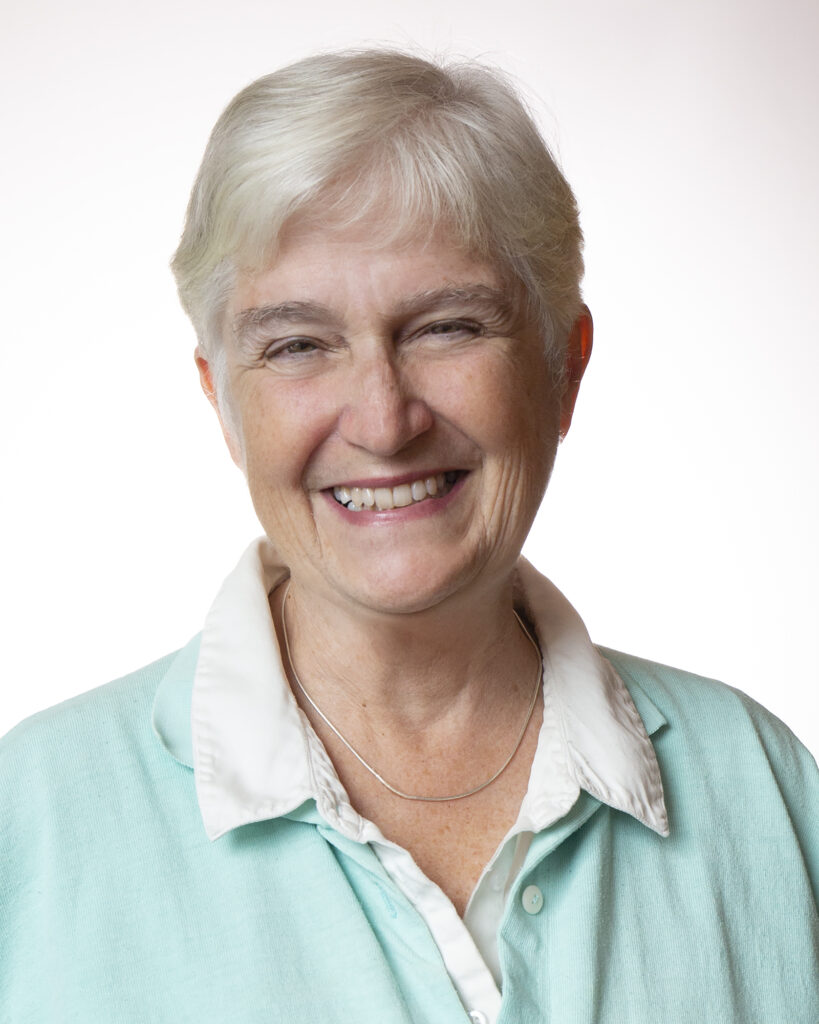
The Glassco Translation Residency dramaturg will once again be award-winning translator Maryse Warda, joined by residency producer and co-host, Briony Glassco.

Landscape photo of Fletcher Cottage in Tadoussac, a brown-brick 2-storey home within a forest clearing, getting a lot of sun on a day with clear skies.

A photo of the inside of Fletcher Cottage during the day, which includes two soft armchairs on either side of a sofa and next to an active fireplace. Maryse Warda sits in a  chair, focused on a laptop. Behind her to the left of the image is a dining room table and french doors leading to the forest outdoors.
A nighttime photo of six playwrights in close conversation around the dining room table, which is set with candles and wine glasses.

Details on the Stay

The house: The residency is in Tadoussac, Québec in an 18th century log home. There are 8 steps down to the entrance of the house. Each guest will have their own room with a writing area, and there are multiple locations to write throughout the home. The bathrooms are shared. The bathrooms are not wheelchair accessible. For detailed information or to ask specific questions about the bathrooms, accommodations, or workspaces, please email accessibility@playwrights.ca.

Travel: In order to arrive in Tadoussac, transportation is provided typically by train or airplane to Quebec City. From Quebec City, a three-hour taxi ride or a bus ride via Orleans Express (that crosses a ferry at one point) brings the participants to the house in Tadoussac. 

Meals: PWM hires a chef to make dinner each evening. Lunch and breakfast are on a self-serve basis. PWM asks all participants their food preferences and dietary restrictions  ahead of time so that we can accommodate them. The meals are communal, and social distancing while eating is not possible.

Internet: WiFi access throughout the house has been recently optimized and is suitable for working. However, it may not be suitable for video calls and streaming in certain areas, and service interruptions are possible due to the remote location. 

The Glassco Translation Residency in Tadoussac is made possible through our partnership with the Cole Foundation’s Intercultural Conversations Program, the dedication of Residency Producer Briony Glassco, and the support of the friends and family in memory of the great Canadian theatre artist, Bill Glassco. We are also grateful to the Canada Council for the Arts, the Conseil des arts et des lettres du Québec, and the Conseil des arts de Montréal for their ongoing support.


Logo of the Cole Foundation
friends and family of Bill Glassco
Canada Council logo
CALQ_logo
CAM Logo

Meet 2023-2025’s AMPLIFIER Playwright

WE’RE THRILLED TO INTRODUCE MULTIDISCIPLINARY ARTIST CHADIA AS THE RECIPIENT OF AMPLIFIER, A FULLY SUPPORTED EXPLORATORY CREATION PROCESS FOR PLAYWRIGHTS.

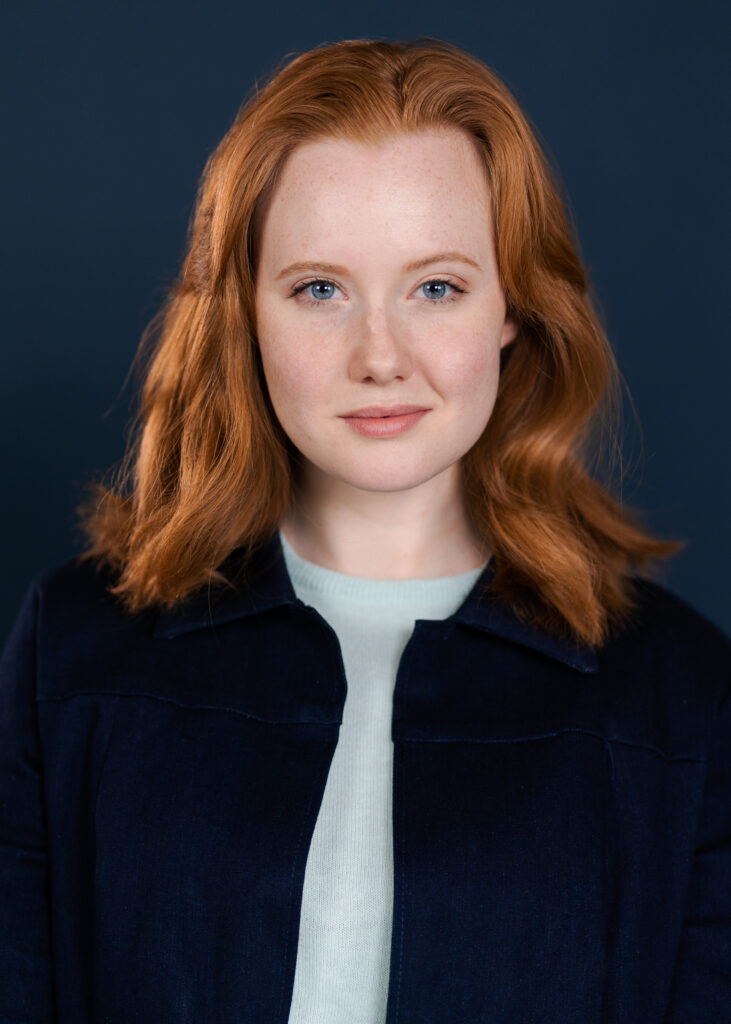
hi hi hi. my name is chadia, and I am a multidisciplinary artist currently based in Tiohtià:ke.

Before moving to Tiohtià:ke to pursue my artistic endeavors, my parents and I immigrated from a refugee camp in Turkana, Kenya to the Algonquin land. being the eldest of five to two African no- BURUNDIAN parents… *deep therapeutic sigh* art was not something they had in mind when deciding to seek refuge, and build capital in this deeply, cold country. ALSO, gay/queer/gender non-conforming AND having no filter? A doomed future… said “yes!” to ‘doom’, ditched one university for another, I received my B.A in theatre (2019), and booked my first professional acting gig with geordie productions by embarking on the 2playtour. 6 and half months into the tour, the tour was canceled due to the “panasonic” we are living through. However, throughout the “peppa pig” I was able to work with some pretty amazing artists on projects such as most recently, from the stars in the sky to the fish in the sea adapted by Gabe Maharjan (2022). Aside from performing I am also a playwright, director, and singer. I had the chance to showcase my first play, “niggas in pontreal1” at MLTFringe (2022), where I was also the director, co-producer, and ⅕ of the performers. We were nominated for 3 Frankie Awards including Most Promising English Text, Best English Comedy, and Best English Production. I have since then, been focused on creating and collaborating with artists on finding the essence of what is “canadian theatre”… I strive to create and support works that instigate conversations and challenge societal norms.

website: chadia.ca
instagram: @dissruptivtheatre, @chadiaisdissruptiv

about the project

niggas in pontréal¹: ACT I is a court-based play, that questions 3 out of the 5 students accused of planning a secret blackface-themed party, while simultaneously prepping, and providing the reader/audience tools in approaching the 2nd part of the project. whose to blame?: ACT II is THE “evidence-based” play. The play provides the reader/audience context, and a firsthand account of the crime accused. 

— *SPEAKING IN FIRST PERSON*–

I write for negros. I am writing for black readers. I am writing for black actors. I am writing for black directors. I am writing for black audience members. My characters can only be played by black actors. What does that do? This project will be exploring how justice can be presented through art, examining and reflecting on the role of violence, and how can that be presented with thought, care, and compassion. Is violence even necessary? How can we navigate and talk about the violence associated with anti-blackness? Can violence be depicted through the black body without it being at the expense of the black psyche? Is that possible?  How can I as a playwright ensure that the story I’ve written is told and processed with compassion, empathy, joy, and truth? Not just for the text itself, but the making of that process? What sort of… responsibilities do we have as playwrights? I’m seeking to create content that advocates, questions, and exercises those points.


AMPLIFIER is a program by Playwrights’ Workshop Montréal (PWM), LA SERRE–arts vivants (LA SERRE) and the Conseil des Arts de Montréal (CAM) which offers sustained dramaturgical and artistic support to one working playwright residing on the island of Montréal. Over the course of 2 years, this will include dramaturgical consultation, a creation workshop, and a creation production residency which is followed by a laboratory presentation.

The program aims to support the artistic practice of theatre artists who identify as Indigenous (First Nations, Métis, and Inuit), Black, POC,  racialized including 1st or 2nd generation immigrant artists (as defined in the Conseil des Arts de Montréal’s glossary) working creatively in one of Canada’s official languages. Additionally, it seeks to foster dialogue between Montréal’s English- and French-speaking theatre communities, as well as intercultural exchanges and greater representation for culturally diverse artists within the theatre community and on Montréal’s stages.  This is the second iteration of PWM’s Amplifier program, after first supporting the work of Sylvia Cloutier.

The program is designed to alternate the language it runs in every two years between the partner organizations who run it, with PWM facilitating through the name AMPLIFIER, and le Centre des auteurs dramatiques conducting Voi.e.s.x Théâtrales.

this program is a partnership between
PWM logo

PWM Writers’ Room Expands to Welcome d/Deaf writers

Starting on January 19, 2023, the Writers’ Room will include d/Deaf artist Sage Lovell, founder of Deaf Spectrum, as co-facilitator. Sage will join current hearing facilitators Corrina Hodgson and Fatma Sarah Elkashef in order for the Writers’ Room to welcome d/Deaf writers. 

PWM has been consulting with Sage to consider how to support a mixed group of d/Deaf and hearing artists, through facilitation and ASL-English interpretation. Sage will co-facilitate monthly ASL-accessible Writers’ Room sessions, at which there will be ASL-English interpreters. In order to meet everyone’s access needs, the facilitators of PWM’s Writers’ Room have co-created this set of guidelines and expectations for interacting as d/Deaf and hearing artists in our virtual space.

You can watch these guidelines in ASL here:


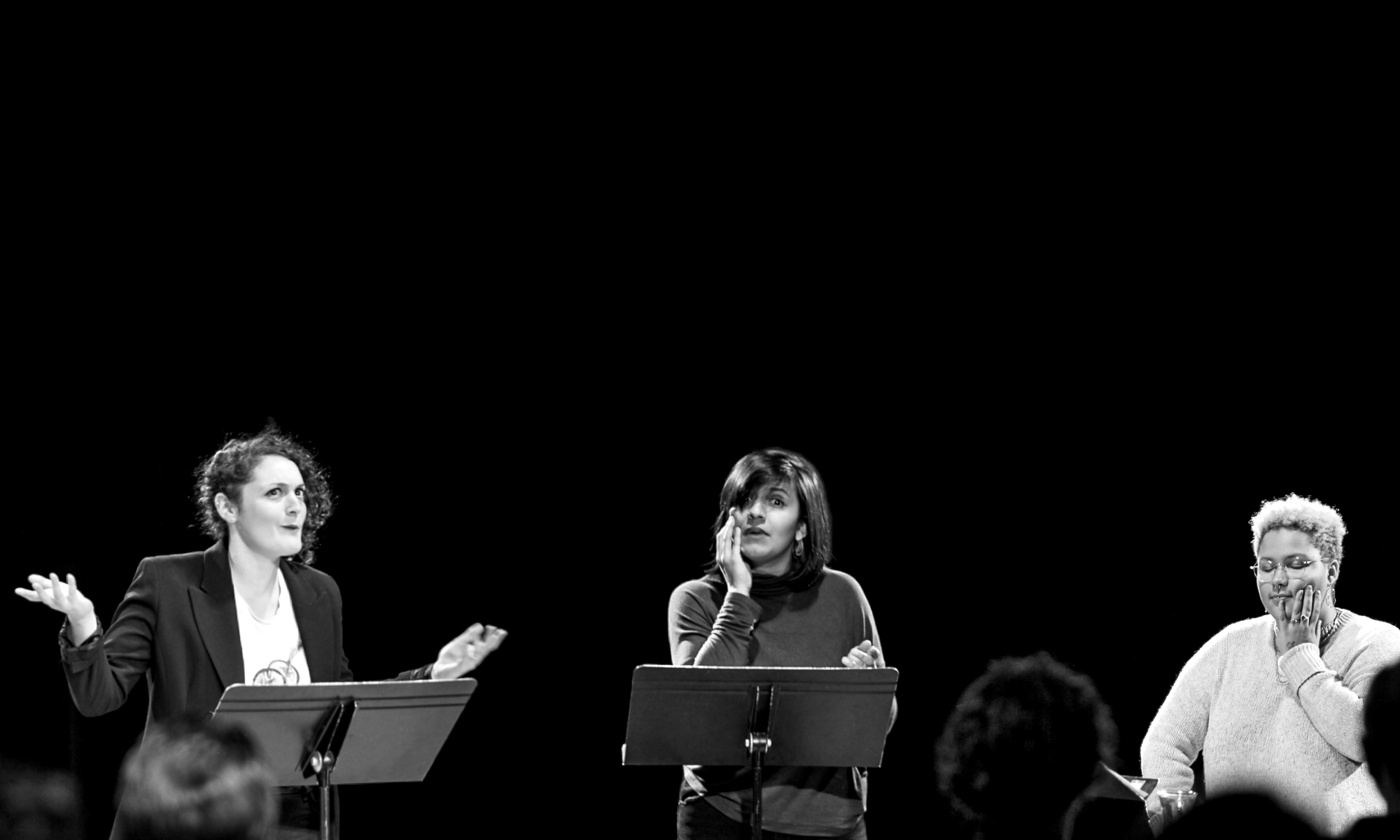
During the Writers’ Room gatherings we connect to catch up, speak about what we are working on, and share tools and inspiration. If you have not been able to write or are struggling with your practice, you are also welcome to join us.

UPCOMING WRITERS’ ROOM dates for 2023

NOT ASL-ACCESSIBLE 
January 5
February 2
March 2
March 16
April 13
May 11

ASL-ACCESSIBLE
January 19
February 16
March 30
April 27
May 25

ASL-ACCESSIBLE WRITERS’ ROOM SCHEDULE
10 am – 10:30 AM EST – check-in and Say Hi
1 pm – 2 PM EST – Lunch COnversation
DROP-IN HOURs EST — 11 am – 1 pm

Conversations pertaining to chronic illness, chronic pain, disability and other systemic barriers to creativity and creative practice are welcome in this space, particularly during our drop-in hours. The drop-in hours are between 11am – 1pm. We welcome you to stop by and chat about what you are working on with drop-in facilitator Corrina Hodgson. Sage will be joining Corrie during the ASL-accessible sessions.


The Writers’ Room takes place over ZOOM. Auto-generated captioning will be available for participants to turn on or off as they wish and facilitators will enable the multi-pin feature. 

To sign up for the Writers’ Room, fill out the Google Form through the link below to let us know you’re interested. You’ll be asked for a little information about yourself and to read our Safer Space guidelines. Once that’s done you’ll receive email notifications with details for each scheduled Writers’ Room, as well as access to our shared Google Calendar.


If you have any questions regarding accessibility, or require assistance with the form, please contact Heather accessibility@playwrights.ca. If you have any other questions about the Writers’ Room please contact Sarah sarah@playwrights.ca.

For more information about the Writers’ Room click ici.

Building Your Grant Proposal, with Jesse Stong

MORE ABOUT EXPLORING PRACTICE WORKSHOPS.
APPLICATION DEADLINE: January 30th, 2023, 11:59 PM.

This hands-on workshop will give participants the chance to articulate their project outlines with realistic timelines and budgets, with tips on writing innovative and authentic project proposals. 

Participants will build the foundation of their project grant, in a shared Zoom room with collaborative feedback. They’ll learn more about where to apply and when, and how to build a clear and powerful application by developing dynamic writing samples. By the end of these sessions, each participant will leave informed on how to seek diverse sources of funding, with guidance on partnership-building for the future of their proposed project. The workshop is infused with motivational insights – how to empower and even enjoy grant writing. Lastly, each participant will get one-on-one time with the facilitator for some intensive and individualized support.

“Building Your Grant Proposal” is co-presented  by Playwrights’ Workshop Montréal (PWM) , the Quebec Drama Federation (QDF), and le Conseil de la formation continue (CFC).


SCHEDULE

Tuesday, February 28th, 2023, 1PM to 4PM
Wednesday, March 1st, 2023, 1PM to 4PM
Thursday, March 2nd, 2023, individually scheduled one-on-one time
Friday, March 3rd, 2023, individually scheduled one-on-one time

LOCATION

REMOTE (Zoom)

NOTE: The workshop is participatory in nature. Those taking part should come to the workshop with a project/residency idea that they are genuinely interested in developing a grant proposal for. This idea can be fully developed or a seed of a new project. An integral part of this workshop is in supporting the ideas of others and contributing to the group discussions. Participants should be available for the duration of the time scheduled. 


HOW TO APPLY:

Applications, or questions, can be sent to helena@playwrights.ca with the subject line: Exploring Practice with Jesse Stong. Audio and video applications are also welcomed. 

Those interested in participating should provide the following information, no longer than one page or 6 minutes of material:

  1. a paragraph about you
  2. a paragraph about your project 
  3. your history/experience with grant writing (if applicable; having none is fine)
  4. any specific areas of concern or questions, in regards to the workshop, your project, or your current direction in finding funding

If you have any questions regarding accessibility, or require assistance with this application, please contact accessibility@playwrights.ca.

Apply before January 30, 2023, at 11:59 PM


The workshop is open to playwrights and other interested theatre makers. 

Participation is free. Workshop participants are selected based on the need of each project seeking grant assistance, and complementary experience of the applicants. We encourage all levels of experience to apply.

PWM is committed to creating an environment where all individuals are treated with dignity and respect.  We are continuously working to make all of our programs accessible and inclusive. While recognizing that the identity of each person is fundamentally plural, and multidimensional, we strongly encourage applications from artists who are: Indigenous (First Nations, Métis, and Inuit), Black, POC, racialized (including recent immigrants), 2SLGBTQQIPAA+, neurodivergent, disabled, living with chronic illness and/or chronic pain. PWM is strongly committed to supporting a wide range of cultural identities and lived experiences, therefore we encourage applicants to self-identify in their application if they are comfortable doing so.


ABOUT THE WORKSHOP LEADER:

Jesse Stong (they/them) is a proud parent of twins, a graduate of Playwriting from the National Theatre School of Canada, and received a Master’s in Art Education from Concordia University. They are an award-winning queer creator, dramaturg, and educator. Over the years, Jesse has supported over 140 emerging Canadian storytellers as director of our Young Creators Unit.  Jesse also leads our New Stories Project for Neurodiverse Storytellers. Jesse is an occasional content creator/editor for Moment Factory, and was recently Manager of Children’s Programming for Watchmojo.com, commissaire associé pour le sommet sur les personnes handicapées du Centre national des arts et maître cérémonie des prix du Montreal English Theatre.

Headshot photo credit: Emelia Hellman


PRESENTED IN COLLABORATION WITH
THIS WORKSHOP IS FINANCIALLY SUPPORTED BY
Compétence Culture Logo

The Dramaturgical Process: First Principles and Practical Applications, with Andrea Romaldi

MORE ABOUT EXPLORING PRACTICE WORKSHOPS.
APPLICATION DEADLINE: January 6th, 2023, 11:59 PM.

There are as many ways to make a play as there are playwrights.

But how do you make a play? How does a play work, from moment to moment, to create narrative and meaning? What makes for a good foundation? And how do the choices you make as a writer ultimately shape the architecture of the production?

Join Andrea for an investigation of her dramaturgical process and day-to-day practice, including the opportunity to work on short scenes offered by workshop participants. You will encounter new perspectives, questions, and tools that you can apply to your writing and dramaturgy in pursuit of your own unique artistic vision.

The workshop is open to playwrights, dramaturgs and other interested theatre makers.


SCHEDULE

Monday, February 6th, 2023 from 6PM to 9 PM
Thursday, February 9th, 2023 from 6PM to 9PM
Monday, February 13th, 2023 from 6PM to 9PM
Thursday, February 16th, 2023 from 6PM to 9PM
Monday, February 20th, 2023 from 6PM to 9PM

NOTE: Participants will be assigned scenes from plays to read between sessions at a maximum of 2 hours. This preparation is central to the workshop.

LOCATION

PLAYWRIGHTS’ WORKSHOP MONTRÉAL
7250 rue Clark, #103
Montréal, QC
H2R 2Y3


Click here for accessibility information and video tours of our location.

If you have any questions regarding accessibility, or require assistance with this application, please contact accessibility@playwrights.ca.


HOW TO APPLY:

Applications or any questions can be sent to helena@playwrights.ca, with the subject line: Exploring Practice with Andrea Romaldi.

Please include:

1. A bio and/or artistic CV.

2. A brief (1-2 paragraph) statement explaining why this workshop interests you, how it is relevant to your practice as a writer or artist, and what your expectations are.

3. Optional: Playwrights are invited to share a scene of their own work, and have it briefly “dramaturged” during the workshop with Andrea facilitating the discussion. If you wish to submit a scene for this purpose, please include it in your application, and answer the following: what is the problem you’re encountering in writing this scene?

We can’t guarantee that your scene will be selected for discussion during the workshop.


Participation is free. Workshop participants are selected based on the complementary experience of the collective group. We encourage all levels of experience to apply.

PWM is committed to creating an environment where all individuals are treated with dignity and respect.  We are continuously working to make all of our programs accessible and inclusive. While recognizing that the identity of each person is fundamentally plural, and multidimensional, we strongly encourage applications from artists who are: Indigenous (First Nations, Métis, and Inuit), Black, POC, racialized (including recent immigrants), 2SLGBTQQIPAA+, neurodivergent, disabled, living with chronic illness and/or chronic pain. PWM is strongly committed to supporting a wide range of cultural identities and lived experiences, therefore we encourage applicants to self-identify in their application if they are comfortable doing so.


ABOUT THE WORKSHOP LEADER:


Cet atelier est soutenu financièrement par
Compétence Culture Logo

IMPACT CREATION – Celebrate the past year at PWM, and support our work today!

As 2022 comes to a close, we at Playwrights’ Workshop Montréal have been reflecting on the past year’s accomplishments, and planning for next year’s programming with anticipation. It’s an exciting time to announce IMPACT CREATION, our yearly campaign to uplift and support the work we do.

PWM will always be a place for artists in theatre, emerging and established, to connect and reconnect. Being a national hub for new play development in English-theatre is a unique mandate for a Montréal-based organization. Donating to us provides a lasting gift to our artistic communities, both here at home and across the country.

Donations help us realize our core activities. Each year, that typically includes: 

25-30 development workshops, where everyone in the room (playwrights, dramaturgs,  translators, actors, directors and so on) is paid.

50-75 one-on-one dramaturgical consultations, offered to writers and theatre-makers free of charge.

10-20 mentorships that connect emerging artists with established workers in the field, offered to emerging artists free of charge.

2 national residencies where playwrights and translators are paid an honorarium, and all travel, accommodation and meals are provided by PWM. 

And much more!

Help us reach our goal of $5000 by the end of 2022 by donating today. 

We’re continuing our tradition of giving back to the folks who can support our work regularly.  Donors who give $15 or more per month for one year receive the gift of a published play developed in collaboration with PWM, autographed by the playwright! Monthly donations allow our work to be more responsive to the changing needs of projects and artists, by providing us with steady income we know we can count on.

*Gifted editions vary.

Our Interconnected Community Crossword

We recognize not everyone in our community may be in a position to give. We’re happy such a large part of our yearly tradition is something everyone orbiting PWM can enjoy:

Our annual year-in-review crossword puzzle (drawn up by our Program Coordinator, Heather Eaton), spells out the qualities of interconnectedness in our organization! 

Made from words gathered from last year’s collaborations, showcases, notable titles and names, you can complete this puzzle by reviewing our programming details and news updates, as refreshers on what we’ve been up to. Use your PWM know-how to fill in the connections. 

You can fill in and “SUBMIT” through the app above, or by printing, pencilling, and sending a picture of the completed puzzle to heather@playwrights.ca.

You’ll be entered into a draw, with a chance to win your choice of one of the following published plays developed in collaboration with PWM! Be sure to give it a close look over, as you can only submit once. If you leave and come back, your progress will be saved on this page.

Controlled Damage by Andrea ScottOkinum by Émilie MonnetSome Blow Flutes by Mary VingoeThe Law of Gravity by Olivier Sylvestre and translated by Bobby TheodoreAndy’s Gone by Marie-Claude Verdier and translated by Alexis DiamondThe Enchanted Loom by Suvendrini Lena and translated by Dushy GnanapragasamEverybody Just C@lm the F#ck Down by Robert Chafe.

Keep an eye on our social media in the month of December for some direct clues and answers!


The value of a donation to Playwrights’ Workshop Montréal.

Our organization values the creative process first and foremost, and ensures our collaborating artists can do their best work.

A key revelation that came about during the pandemic was how much work remains to be done to make our world a kinder, more inclusive place. We’re working toward greater accessibility in our programming and communications – for instance, we are particularly excited about welcoming both d/Deaf and hearing artists to the Writers’ Room in 2023. Growing our initiatives for capacity-building, such as integrating ASL interpretation into more of our programming, requires the growth of our funds, as well. 

Your support is vital to the work we do and we hope you can play a key part in creating new works for theatre by helping us reach our goal of $5000 by the end of 2022. 

Accessibility Tools
Français du Canada
Skip to content