
VANCOUVER BLACK THEATRE ARCHIVE
The Project
The history of Black community and culture in this place colonially known as Vancouver tends to be a seldom-told story; and while more people are now aware of the existence of Hogan’s Alley and the rich arts & cultural scene it encompassed, the specific history of Black theatre in Vancouver has continued to be overlooked.
In the very early stages of development at the time of the residency, this archive project intends to shed light on the artists, artifacts, and performances of the Black community in Vancouver throughout its history. Ideas to be explored include tools to support both in-person and virtual exhibitions, with methods of online engagement and community outreach.
Artists
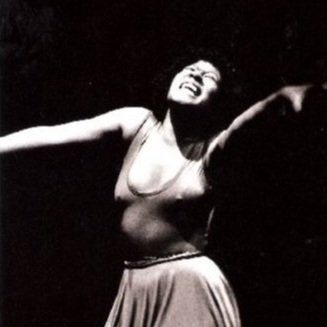
A black and white photo of a young woman dancing, her arms outstretched and her head thrown back, an expression of joy on her face.
-
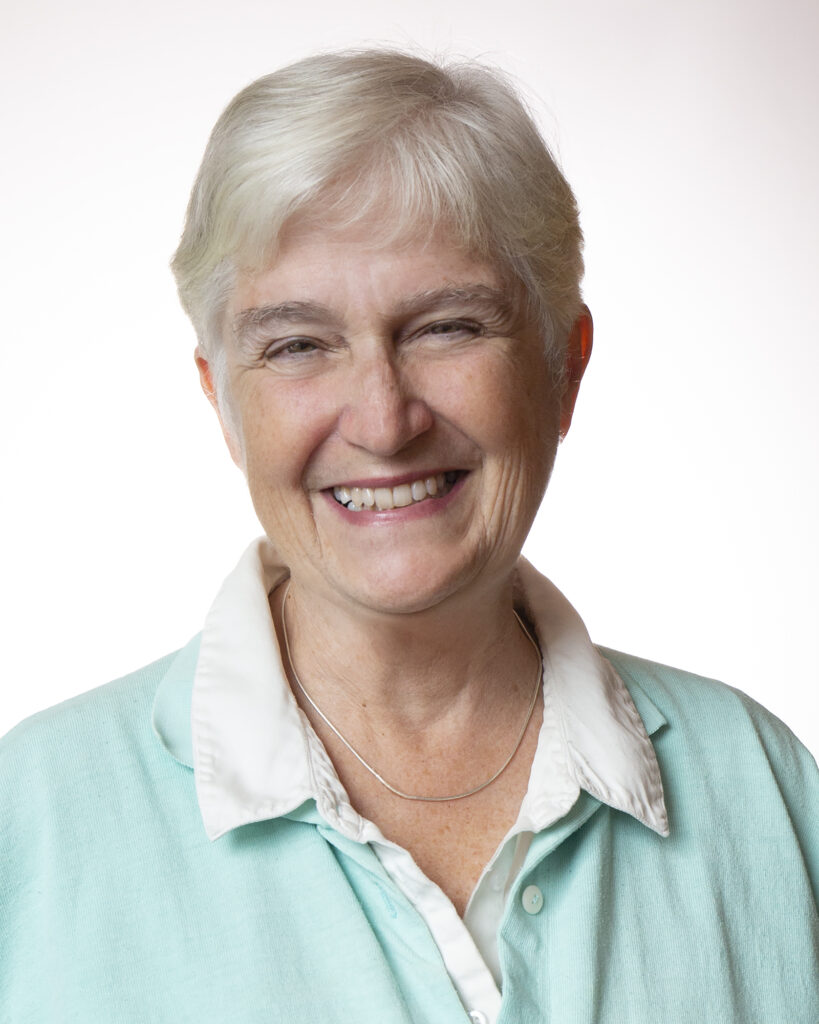
In 1971, Celeste Insell immigrated to Canada from the United States and attended the Ryerson Acting program (1972 -1973); and later transferred to the Drama Studies program at York University (1974 -1976). In 1979, she moved to Vancouver, BC. She was cast in the Arts Club Production of “You Can’t Take it With You” as Rheba (the maid) in 1980. Later that year, she portrayed “Lady in Blue” in the very successful Black Arts Theatre production of “For Colored Girls…” which ran for six months in Vancouver and then toured Western Canada. In that production, she fulfilled her dream to perform the very demanding twenty-minute monologue “A Nite with Beau Willie”. In 1982, she was cast in her first TV principal role as Nurse Graham in “A Piano for Mrs. Cimino” where she got to work with Bette Davis. Shortly afterwards, she founded a multi-cultural theatre company with four friends and called it “Crossroads Theatre”. In the 1990’s she performed and produced various events in the Black community and for other arts groups. In 2001, after a long hiatus from film and TV acting, she began auditioning again for roles in that medium. Ms Insell’s writing credits include articles published in “Kinesis” (1992-1993), “The International Review of African American Art” (1993), “The Canadian Theatre Review” (1995) and a poem “The Reunion” published in the magazine “Diaspora Magazine”(1994). She is currently writing two plays for another company she founded called Twenty8Dreams Performing Arts.

Lili Robinson, a genderfluid femme person in their mid-twenties, looks directly into the camera. They have light brown skin and short curly brown hair that is shaved on the sides, and they are wearing a red dress. In the background a gravel rooftop and apartment building across the road behind are blurred but visible.
-
Lili Robinson (she/they) is a playwright, poet, actor and community organizer based on the unceded territories of the Musqueam, Squamish, and Tsleil-Waututh First Nations. Lili is passionate about centring voices at the intersections of queerness, Black diaspora, socio-economic diversity and femme identity in their work. Lili has worked as both a writer and actor with longstanding local companies including Theatre Replacement and Rumble Theatre, and pre-pandemic took part in Rumble’s 2020 Director’s Lab. In 2020 they were also a part of the Emerging Playwright’s Unit at the Arts Club. Lili’s debut play, Mx, was the winner of the 2019 Fringe New Play Prize and the 2019 Cultchivating the Fringe Award. Following Mx’s Fringe success, the show was revamped for a digital presentation as part of the Cultch’s 2021 digital season this past February. Currently Lili is working on two new plays, Infest and Maroon, and was recently announced as the incoming Resident Curator at rEvolver Festival. As a facilitator and community organizer Lili is focused on EDI work and projects that uplift the local Black community. She is beyond excited to work with PTC once again, this time as part of the DDI alongside collaborator Celeste Insell.
The Residency
Before the DDI
Le Vancouver Black Theatre Archive approached the residency with the purpose of creating an archive about the work of Black Vancouver theatre artists and eventually more broadly, about the history of Black theatre in Canada. Throughout Vancouver’s history, the Black theatre community has existed in parallel to and been largely ignored by the mainstream theatrical scene. It is the hope of the team that the archive could also serve as an educational tool in highschools and universities to teach students about a rich but often buried theatrical history.
Based on the experience of the members of their team, the group wished to create an archive of Black theatre projects, starting with work from the 1980’s and 1990’s. While there were some thoughts around eventual physical exhibitions of material, the current goal was to create both a website and a podcast that highlighted some of these lesser known moments of history and art. It was the hope of the team to be able to connect archive materials with the current Vancouver Black theatre community as well as to create a place that shows that Black artists exist in Vancouver, that they have been making art for a long time and deserve funding and attention; a tangible proof that they exist and cannot be erased.
Even though the archive will focus on only Vancouver initially, the scope of the project was quite large and will require a large amount of information gathering as well as interviews with Black artists about their experiences. It is their hope that eventually they’d be able to have a submission section on the archive, where other Black artists would be able to add their own shows and historical documents – in essence a way of crowdsourcing some of the material gathering.

The digital nature of the archive opens up many doors in terms of accessibility and the team was interested in the parallels between creating a piece of digital theatre and creating an archive; such as means of distribution, overarching dramaturgy and the tradeoff of an in-person audience versus the reach of the project. It is the hope of the team that the website will feel like a journey that a viewer could start at any time and that would inspire a sense of discovery.
Some of the roadblocks that were flagged going into the project were the technical aspects of creating a website as well as the cost associated with its creation.