Digital Dramaturgy Initiative — Apply to the Montreal residency

Logo of the Digital Dramaturgy Initiative on top of Montreal skyline
Playwrights’ Workshop Montréal is now accepting applications for a week-long residency, within the Digital Dramaturgy Initiative, to take place from April 26th to May 1st, 2021

WHAT IS THE DIGITAL DRAMATURGY INITIATIVE?

Following the first iteration of the project at the Blyth Festival pre-pandemic, the Digital Dramaturgy Initiative (DDI) is a collaboration between Le Playwrights' Workshop Montréal, Playwrights Theatre Centre, Manitoba Association of Playwrights and the Blyth Festival.

Logo of the Digital Dramaturgy Initiative

The pandemic has accelerated our use of digital tools.  However, knowledge and financial gaps are still with us. With this reality in mind, we designed three locally based residencies designed to investigate and expand our collective vocabulary with digital technology.

These three distinct week-long residencies have been designed to allow for a deep investigation and articulation of two main questions:

  1. Where are the literacy gaps in managing the processes and systems in the integration of digital components?
  2. How to best organize creative relationships to maximize expertise in the collaboration process?

THE MONTREAL RESIDENCY

Covid and its impact on live arts : how do we share and grow work in process. 

APRIL 26 – MAY 1, 2021

Creating theatre inside a pandemic – how to use the tools available, what is possible, and what have we learned so far? How can we use this knowledge to create a more accessible platform for theatre? What can we take back into live theatre?

Organized by Playwrights’ Workshop Montréal, the Montreal residency is looking for theatre performance projects that were conceived for the stage but that now need to be transformed for a digital audience; as well as projects conceived for the new Digital reality. The project may be at any point in the process of creation.

The residency will focus on working with collectives or individuals to discover the possibilities available for the transformation of the work through technology, to a digital platform. This project is funded by the Canada Council for the Arts Digital Literacy Fund, as such, an important component of the work is the dissemination of knowledge and expertise. To this end, applicants must be willing to share parts of their creative process and knowledge gained through the residency. DDI and participants will negotiate fair Intellectual Property rights for educational, non-commercial dissemination of exploratory work undertaken during the residency, an example of which can be found ici.

Auxiliary programming over the course of the workshop week will include collective investigations into both traditional and emerging digital tools and technologies, exploring the vocabulary needed to collaborate in digital integration and exploration, and looking at case studies from Canadian and international initiatives.  

Each participating artist will receive a $750 honorarium and is expected to be available for the 5 days of the residency.

We are continuously working to make all of our programs accessible. We recognize that the identity of each person is fundamentally plural, multidimensional, changing and evolving.
We are committed to working with artists to create spaces within which Indigenous artists (First Nations, Métis, and Inuit), racialized artists (including recent immigrants), members of the 2SLGBTQQIPAA+ communities and/or neurodiverse and disabled artists as well as artists living with chronic illness and chronic pain can create.

APPLICATION PROCESS

To apply, please complete the online application form. During the application process, you will be asked to include the following:

  • A description of the project (max. 500 words);
  • An artistic statement in relation to the integration of digital tools;
  • The names of the project’s collaborators, and their creative disciplines;
  • The stage of the work in progress;
  • Your dramaturgical questions being investigated, or what you are investigating;
  • The technologies you are presently using for the project (if any);
  • The technologies you wish you had access to for this project (if known);
  • The knowledge gaps (if you know them) in relation to transforming the work to a digital platform;
  • Any documentation you deem appropriate to the project, sending video files as links.

Audio or video applications are welcomed.

The deadline to submit applications is March 8, 2021 at 5:00PM EST. All applicants will be notified of the results. 

This project is a partnership between
PWM logo
Logo of the Playwrights Theatre Centre
Logo of the Manitoba Association of Playwrights
Logo of the Blyth Festival
PROJECT SUPPORTED BY THE CANADA COUNCIL FOR THE ARTS
Canada Council logo

POSTULER MAINTENANT : Archipels dramaturgiques – un monde de circulations

Exploring Practice Intensive - Archipelago Dramaturgies hero image

Joignez-vous à nous pour une semaine d'ateliers pratiques bilingues avec Jessie Mill et Katalin Trencsényi!

« Toute pensée archipélique est pensée du tremblement, de la non-présomption, mais aussi de l’ouverture et du partage »

— Édouard Glissant, Traité du Tout-Monde

Playwrights’ Workshop Montréal (PWM), en collaboration avec le Centre des auteurs dramatiques (CEAD) annonce sa troisième semaine d’atelier intensif de dramaturgie, Archipelago Dramaturgies/Archipel de dramaturgies, mené par Jessie Mill et Katalin Trencsényi. Cet atelier sera consacré à l’exploration, à l’échange et aux partages de pratiques dramaturgiques dynamiques, favorisant la circulation entre les cultures et les arts, à travers des collaborations, des débats et des discussions. Au sein de l’environnement créé pour cette aventure collective, nous cultiverons le respect et la confiance pour favoriser l’expérimentation et la prise de risque, la possibilité de douter, voire d’échouer en toute liberté, pour permettre l’approfondissement des démarches sans impératifs de résultat. L’atelier se déroulera dans un format hybride (sur site et en ligne) et bilingue (français et anglais).


Calendrier

(Atelier mixte sur site et virtuel de 5 jours)

De 9h30 à 17h00 HNE tous les jours
Du lundi 8 mars au vendredi 12 mars 2021.

Location du site

7250 rue Clark, #103
Montréal, QC
H2R 2Y3


Le programme de cette année s’inspire dans sa thématique de la géographie locale et des forces et courants de la nature. Ainsi, à partir d’une réflexion archipélique au croisement des disciplines (géographie, philosophie et dramaturgie) nous chercherons des approches propres aux arts vivants pour naviguer à travers les courants, contrecourants, entre les cultures, pratiques artistiques et systèmes de connaissances.

Ancré dans le contexte montréalais et dans les réalités plurielles de nos communautés artistiques, l’atelier sera construit sur mesure pour répondre aux projets des participant.e.s et alimenter de riches échanges entre nous, dans l’espoir de créer des résonances et des circulations à l’intérieur du groupe. 

Pour explorer la dramaturgie sous cette perspective, nous emprunterons chaque jour une porte d’entrée différente : l’espace/le temps, le corps/la physicalité, le texte/ la traduction, le son/le silence/la voix, et le public. Grâce à ces éléments et au partage des questions et des enjeux de chacun.e, nous (in)formerons ensemble des archipels dramaturgiques à même de soutenir et de renforcer nos pratiques.

L’atelier proposera les formats suivants : 

  • travail en studio (en groupe);
  • travaux individuels et lecture;
  • rencontres avec des invité.e.s (en ligne et en personne);
  • discussions;
  • accès à des documents visuels, à des enregistrements et à des films;
  • espace de ressources virtuel / en ligne partagé;
  • soutien dramaturgique individuel;
  • une sortie au théâtre;
  • une fête de clôture.

PWM et le CEAD offrent la possibilité à huit dramaturges (toutes disciplines de la scène confondues) ou équipes de travail (2 personne, i.e. un.e dramaturge accompagné d’un.e auteur.rice, concepteur.rice, chorégraphe, etc.) de participer à cette semaine d’exploration des pratiques. Les participant.e.s doivent s’inscrire avec un projet, une pièce ou un enjeu de recherche stimulant sur le plan dramaturgique et qui résonne avec ces mots-clés.

Mots-clés et inspirations

  • entredeux;
  • interconnexions;
  • connexions;
  • formes dynamiques;
  • courants transversaux;
  • contrecourants;
  • constellations;
  • relations;
  • hybridité;
  • métamorphose;
  • transformation;
  • états fluides.

Critères d’admissibilité

  • s’inscrire en tant que dramaturge ou faire partie d’une équipe de travail dramaturge/artiste;
  • venir avec un projet ou une partie de projet ou avoir une question/un projet en tête que vous souhaitez explorer;
  • être prêt.e à faire une courte présentation (15 minutes) sur votre projet devant les autres membres de l'atelier;
  • avoir les compétences en anglais et en français pour suivre et participer à une conversation bilingue;
  • être ouvert à la collaboration et curieux;
  • être disponible pendant toute la durée de la semaine intensive.

Comment postuler

Pour postuler, envoyez une courte candidature en anglais ou en français à Harris Frost à harris@playwrights.ca avec la ligne d'objet: Application - Archipels dramaturgiques. Votre candidature doit répondre à ces questions :

  • Nom(s) et coordonnées;
  • Quel est le projet en cours que vous souhaitez examiner dans le cadre de l’atelier;
  • Comment cet atelier peut-il vous être utile;
  • Une courte biographie;
  • Confirmation de votre disponibilité pendant toute la durée de l’atelier;
  • Tout accommodement nécessaire relatif à l’accessibilité.

Postulez avant 23h59 le 11 janvier 2021 pour vous assurer que votre candidature sera prise en considération.

À propos des animateurs de l'atelier

Photography of Jessie Mill
Photo par Sandrick Mathurin

est dramaturge et conseillère artistique à la programmation du Festival TransAmériques (FTA) depuis 2014. Elle y met notamment en place des dispositifs de rencontres et de transmission, dont les Cliniques dramaturgiques, consacrées à l’accompagnement des artistes. De plus, elle accompagne des créations scéniques (Canada, France, Burkina Faso), réalise plusieurs entretiens avec des artistes et enseigne à l’occasion. Membre du comité de rédaction de la revue Liberté et codirectrice de son cahier critique, elle écrit autour des spectacles et sur les enjeux des arts de la scène. Entre 2010 et 2014, elle a occupé le poste de conseillère aux projets internationaux au Centre des auteurs dramatiques (CEAD), organisme avec lequel elle collabore toujours à titre de conseillère dramaturgique associée. Intervenante au Labo Elan des Récréâtrales, espace panafricain d’écriture, de création, de recherche et de diffusion théâtrales à Ouagadougou, elle accompagne les artistes de la promotion 2019-2020.

Photography of Katalin Trencsényi
Photo par Lilla Khoór

Katalin Trencsényi est dramaturge et chercheure d’origine hongroise basée à Londres. Parmi ses champs d’intérêt se trouvent le théâtre contemporain et la performance, en particulier la nouvelle dramaturgie, les processus collaboratifs, les femmes au théâtre, et théâtre et épidémie. Dramaturge indépendante depuis 2000, Katalin a travaillé avec le National Theatre, le Royal Court Theatre, le Soho Theatre, Corali Dance Company et le Deafinitely Theatre, ainsi qu’avec de nombreux artistes indépendants. En tant que praticienne, Katalin a travaillé et enseigné à l’international : en Belgique, au Canada, en Hongrie, en Lituanie, en Pologne, en Roumanie, en Russie et aux États-Unis. Katalin a cofondé le Dramaturgs’ Network (d’n) en 2001, a participé à ses différents comités et en a été la présidente de 2010 à 2012. Elle est l’auteure de Dramaturgy in the Making. A User’s Guide for Theatre Practitioners (Bloomsbury Methuen Drama, 2015), l’éditrice de Bandoneon : Working with Pina Bausch (Oberon Books, 2016) et coéditrice avec Bernadette Cochrane de New Dramaturgy : International Perspectives on Theory and Practice (Bloomsbury Methuen Drama, 2014). Depuis 2018, Katalin travaille comme rédactrice à la section dramaturgique de la plateforme en ligne TheTheatreTimes.com.

En collaboration avec
Cet atelier est soutenu financièrement par
Emploi-Québec and Compétence Culture Logos

Apply Now: Interdisciplinary Dramaturgy Lab

Illustration for the Interdisciplinary Dramaturgy Lab workshop 2021

Note:
en raison de la pandémie COVID-19, cet atelier se déroulera en téléprésence.
Contactez harris@playwrights.ca pour toutes questions sur l'atelier.

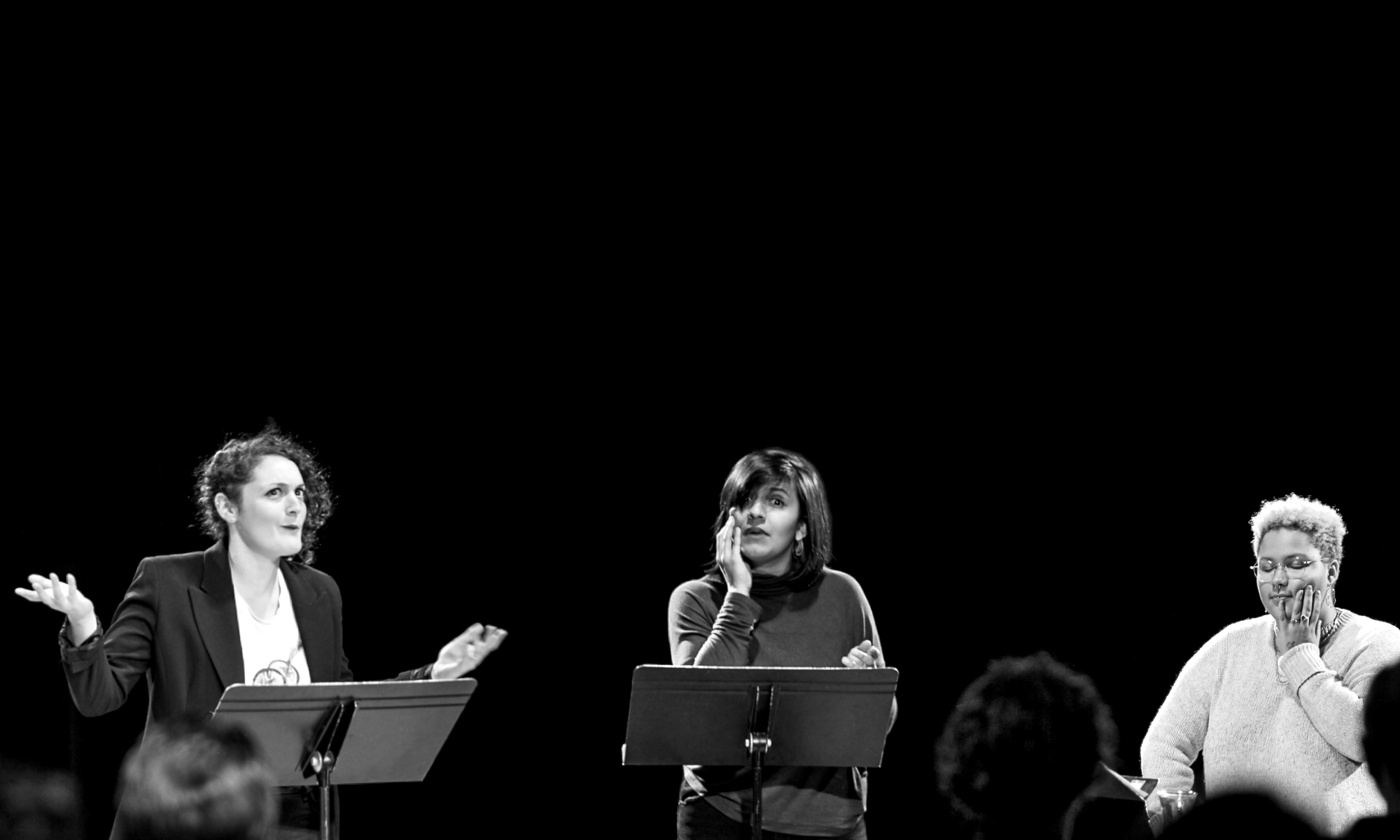
PWM and Studio 303 invite dramaturgs, theatre artists, dancers, circus artists and interdisciplinary artists to the third edition of the Interdisciplinary Dramaturgy Lab. Led by Kathy Casey (dance), Dana Dugan (circus) and Fatma Sarah Elkashef (theatre), the lab is a space for artists to exchange dramaturgical tools, share challenges and experiences, and explore how we are working in these exceptional times.


Calendrier :

(Atelier virtuel de 5 jours)

9:30 AM to 12:30 PM EST every day
Monday, January 11 to Friday, January 15, 2021.

Lieu :

L'atelier se déroulera à distance via un logiciel de visioconférence.

Fee:

$60 
(Please contact us if this fee would be a barrier to your participation)


Comment postuler

  • Please send us a bio and/or artistic CV as well as a brief (1-2 paragraph) statement explaining why this lab interests you, how it is relevant to your artistic practice, and what your expectations are for this lab.
  • Send your application and any questions to:  harris@playwrights.ca using the subject line: Interdisciplinary Dramaturgy Lab
  • Apply before  11:59 PM on December 18, 2020 to ensure that your application will be considered.

À propos des animateurs de l'atelier

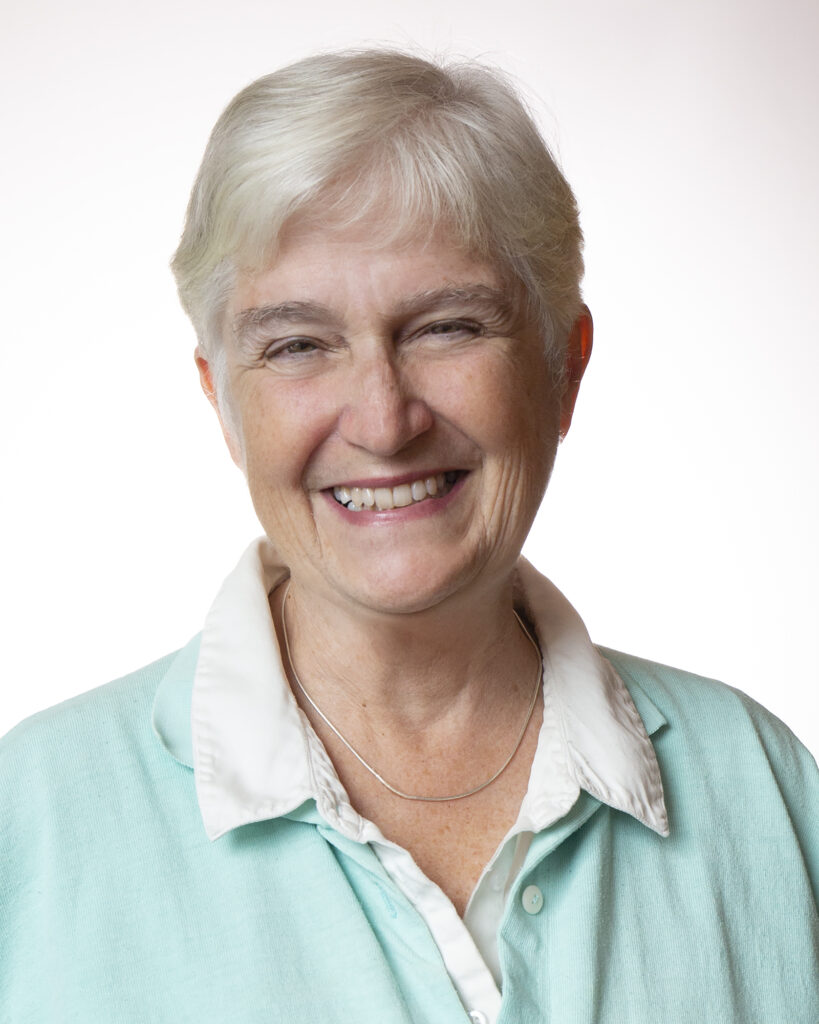
Photo by George Dutil

Born in North Carolina, Kathy Casey began her dance career in 1979 with the Chicago Moving Company. Settled in New York in 1980, she danced for many choreographers before joining the Lar Lubovitch Dance Company in 1984. In 1989, she became a member of Susan Marshall & Company, with whom she had collaborated since 1981. From 1985-1989, she also assisted Mr. Lubovitch and Ms. Marshall in creation. Kathy Casey has danced in Europe, Asia, and North America and continues to give numerous workshops across Canada and the United States. Welcomed by Montréal Danse in 1991, she was appointed Artistic Director of the company in March 1996. A major portion of her work now is collaborating with choreographers on the dramaturgy of the works created for the company. In addition to her work with Montréal Danse, she also works as an artistic advisor with independent choreographers in the city.

Photo by Dominic Brunet

Dana Dugan is an American circus artist, performer, pedagogue, and scholar based in Montreal. She was a founding member, programmer, project manager, and producer of the Chicago Contemporary Circus Festival and CirqueOFF. Dana recently completed her Master’s Degree at Concordia University under fellowship researching the circus body and its embodied knowledge. She is currently continuing her research explorations and performance of the circus body and speculative performance narratives as a PhD student at Concordia University. Dana’s work reflects an agenda that advocates for socially conscious performances and alternative, queer, feminist, political narratives that cultivate agency on the circus stage.

Photo : Nasuna Dawn

Born in the UK, Fatma Sarah Elkashef is a dramaturg based in Tiohtià:ke (Montreal) working in new play development and interdisciplinary creation.  Since 2013 she has been a dramaturg at Playwrights’ Workshop Montréal (PWM) where she has collaborated on numerous plays and performances. Sarah began the Interdisciplinary Writers’ Lab at PWM to explore non-text centric approaches to theatre/performance creation and is deeply inspired by the brilliant theatre, dance, circus, performance and visual artists who have been a part of it thus far. At the National Theatre School of Canada she has worked across programs as a dramaturg, creator, and teacher since 2012. Sarah’s preoccupations are rooted in her hybrid identity and practise, and she is excited by the possible futures for collaboration and process sharing across performance disciplines.

En collaboration avec
Studio 303 Logo
Cet atelier est soutenu financièrement par
Emploi-Québec and Compétence Culture Logos

INTRODUCTION TO THEATRE TRANSLATION 2020

A one-on-one mentorship opportunity

For years Playwrights’ Workshop Montreal (PWM) and the Centre des auteurs dramatiques (CEAD) have worked to forge links between French and English language theatre communities and foster the art of theatre translation. To this end, the two organizations have once again partnered together to offer two individualized mentorships meant to familiarize playwrights to the craft of theatre translation. The mentorship described below is focused on French to English theatre translation. Details on the English to French translation component of this mentorship can be found on the CEAD’s website.

How the mentorship works:

  • PWM will select 1 participant with an interest in French to English theatre translation;
  • Over a period of several months, the participant will translate excerpts (roughly 10-12 pages) of two contemporary Québécois plays selected by the CEAD;
  • Over several weeks, the participant will receive a total of 12 hours of dramaturgical support from acclaimed playwright and theatre translator Alexis Diamond;
  • The participant will have the opportunity to discuss their translations with the original playwrights;
  • The mentorship will culminate in two 4-hour workshops during which professional actors will read and discuss the newly-translated excerpts;
  • The participant will then have the chance to meet with the second participant as well as both mentors to present their work and discuss their experiences;
  • After the workshops, the participant will submit their final drafts of the translated excerpts to the CEAD.

Who can apply?

  • Montreal-based playwrights with a strong interest in French-to-English theatre translation;
  • The candidate must have excellent writing skills in English and have fluent comprehension of Québecois French;
  • Playwrights with little to no experience in theatre translation are encouraged to apply;
  • Applicants must have a minimum of two professionally produced pieces or Fringe productions. 

Application Guidelines

Send your application, documents, as well as any questions you may have to Harris Frost at harris@playwrights.ca.

The deadline to apply is Monday, October 26th at noon.

Please include the following attachments (preferably as PDFs) in your application email:

  1. Your artistic CV and/or bio;
  2. A brief cover letter outlining your interest in this mentorship and in French-to-English theatre translation more generally.


TENTATIVE SCHEDULE

October 26th
Application deadline.

November 4th
Participant selected and provided with excerpts.

November – March
Several meetings with translation mentor, translation of excerpts and meetings with playwrights.

Before March 6th
2x 4-hour workshops of translated excerpts and final meeting with other participant.

Biography of Alexis Diamond


Alexis Diamond is a Montreal-based playwright, opera librettist, translator and theatre curator. Her award-winning plays, operas and translations for audiences of all ages have been presented across Canada, in the U.S. and in Europe. She also collaborates with several international artists on performance-installations involving text, movement and sound. In 2019, Alexis Diamond served as co-artistic director of the Jamais Lu festival, where she also presented a bilingual play, Faux-amis, with co-author Hubert Lemire, with support from the CALQ. In 2018, Alexis joined a multiyear project led by professor Erin Hurley (McGill University) on the history of Quebec’s English-language theatre.

This mentorship is made possible by:

Playwrights' Workshop Montréal Logo
CEAD LOGO
Compétence Culture Logo
Quebec Logo


2020-2021 AMPLIFIER: a fully supported exploratory creation process for playwrights

The deadline to apply to this program has passed!
Abonnez-vous à notre infolettre to stay updated about our latest initiatives.

IMPORTANT:
Les candidats peuvent postuler à plus d’un programme de partenariat au Playwrights’ Workshop Montréal, mais ne peuvent être bénéficiaires que d’un seul programme de partenariat.

Playwrights’ Workshop Montréal est une organisation faisant partie de la minorité linguistique anglophone. La collaboration de l’artiste avec le.la conseiller.ère dramaturgique se fera donc en anglais. La candidature doit être complétée en anglais.
Nous sommes ravis d'annoncer que le Playwrights’ Workshop Montréal (PWM), LA SERRE–arts vivants (LA SERRE) and the Conseil des Arts de Montréal (CAM) are launching a new program offering comprehensive dramaturgical and artistic support to a professional playwright residing on the island of Montreal. This includes dramaturgical consultation, creation workshop, a creation production residency, followed by a laboratory presentation.

The following playwrights are eligible to submit proposals: Indigenous artists (First Nations, Métis, and Inuit), 1st or 2nd generation immigrant artists from a culturally diverse community*, or racialized artists.
Board Members of CAM, PWM and La Serre are not eligible to apply.

*As defined in the Conseil des Arts de Montréal’s glossary

In order to support artists writing in French and artists writing in English, this program is being offered alternately by the Centre des auteurs dramatiques (CEAD) in French one year, and by PWM in English every other year. This edition is intended for artists creating in the English language.

THE GOALS

The program aims to highlight the artistic and social contributions of theatre artists from culturally diverse, indigenous, or racialized communities working creatively in one of Canada’s official languages.

Additionally, it seeks to foster dialogue between Montréal’s English- and French-speaking theatre communities, as well as intercultural exchanges and greater representation from culturally diverse artists within the theatre community and on Montreal stages.

Référez-vous au Program Presentation (PDF) for more details about what this partnership includes, eligibility criteria and other conditions.

THE SUPPORTING ORGANIZATIONS

PWM logo

CONSEIL DES ARTS DE MONTRÉAL

Founded in 1956, the Conseil des arts de Montréal identifies, supports and recognizes excellence in the professional creation, production and dissemination of the arts.

To remain in tune with the organizations and collectives it serves, the Conseil relies on its knowledge of the communities, its innovative skills, and its ability to bring the city’s artists and financial partners together.

PLAYWRIGHTS’ WORKSHOP MONTRÉAL 

PWM is a national new creation centre for theatre and performance led by a team of dramaturgs and arts administrators. While playwriting has been at the core of what we do for over 50 years, our work now strives to include devised and interdisciplinary forms of creation. In addition to seeking collaborations across diverse artistic practices, we are strongly committed to supporting work which reflects a wide range of cultural identities and lived experiences. 

Qu'est-ce que la dramaturgie, et que faisons-nous?

La dramaturgie est une exploration de tous les éléments composant une œuvre, de la manière dont ils sont réunis pour créer du sens, et du processus de développement de cette œuvre. PWM travaille principalement sur des projets centrés sur le texte et la narration, mais aussi sur des pièces où le texte et la narration ne sont pas les principales composantes ou préoccupations.

Le travail de PWM est centré sur l’artiste et notre processus de collaboration dynamique est conçu pour répondre aux besoins de leur projet. Nous écoutons attentivement pour comprendre l'identité d'un.e artiste, ce qu'il.elle fait et comment il.elle souhaite poursuivre son travail. Nous offrons commentaires et retours à travers de nombreuses questions et conversations, et accompagnons souvent les artistes d'ébauche en ébauche ou d'itération en itération. Nous travaillons en tête-à-tête, mais aussi au travers d'ateliers et de résidences.

Pour nous, la dramaturgie doit également prendre en compte les réverbérations/implications d'une œuvre à travers le temps et l'espace, au-delà du lieu/page dans/sur laquelle elle se crée. 

LA SERRE–ARTS VIVANTS

LA SERRE is a structuring incubator for the improvement of the conditions under which emerging artists carry out their work in live art. It accompanies them in the expansion of their work, from the creation process to encounters with the public. It helps artists develop their autonomy, organizational maturity and artistic independence. LA SERRE acts as an activator of collaborations between artists and local, national and international partners, as well as artists from various artistic disciplines and other areas. Artistically, LA SERRE favors projects that establish evocative links between art and society, and facilitate connections between different disciplinary fields and sectors.

SOUTIEN FOURNI

The recipient of the program will receive a project creation grant of $13,000 by the CAM over two years, along with numerous services provided by PWM, LA SERRE, et CAM. This is a one-time, non-renewable grant.

The program takes place over two years, and support is provided as follows:

YEAR 1

$3,000 creation grant for a new theatrical creation

30 hours of dramaturgical collaboration with Playwrights’ Workshop Montréal

9 hours of script workshopping offered by Playwrights’ Workshop Montréal

A staged reading with actors at Playwrights’ Workshop Montréal

YEAR 2

$10,000 creation grant for production

40 hours of production and management mentorship by LA SERRE–arts vivants

60 hours of free access to the Conseil des Arts de Montréal’s studios

Presentation of two performances in lab format

One-year subscription to Machinerie des arts.

APPLICATION PROCESS

To apply, please complete the online application form. Refer to the Program Presentation (PDF) for all details about this partnership. During the application process, you will be asked to include the following documents:

  • An excerpt of a previously written theatrical work in English (10 pages maximum, PDF or DOC);
  • An excerpt of the project (10 pages maximum, PDF or DOC);
  • The author’s CV (PDF or DOC)

Only the required documents will be forwarded to members of the evaluation committee.

Applications will be evaluated by representatives of the CAM, PWM and La Serre. Projects will be evaluated based on merit, and the selection will take the projects’ comparative value into consideration. The evaluation committee will take into consideration diversity of practice, artists’ experience, accessibility needs, 2SLGBTQQIPAA+, and gender parity.

The deadline to submit applications is November 1, 2020 at 11:59PM. All applicants will be notified of the results by December 10, 2020. 

ADDITIONAL INFORMATION

If you have any questions about the eligibility of your application or your project, do not hesitate to contact us. We prefer to have the opportunity to discuss hybrid theatrical forms, unusual professional backgrounds and multiple ethnocultural affiliations with applicants.

Please address questions to Emma Tibaldo, Executive and Artistic Director of Playwrights’ Workshop Montréal, at emma@playwrights.ca.

2020 COLE FOUNDATION MENTORSHIP FOR EMERGING TRANSLATORS

Deadline extended to October 18!

The translation of new work for the stage is a core part of Playwrights’ Workshop Montréal’s (PWM) programming. Since its inception in 2013, the Mentorat pour traductrices et traducteurs émergents de la Fondation Cole (formerly Cole Competition for Emerging Translators) has been guiding the next generation of translators from French into English. 

With the expert guidance of acclaimed translator Maureen Labonté and in partnership with the Fondation Cole, PWM has built a program that mentors emerging translators through every stage of the process. The successful applicant to this year’s mentorship program will receive a $1,000 honorarium and an eight-month mentorship with Maureen Labonté which includes a workshop with actors and a public reading.

WHO CAN APPLY?

To be eligible, emerging translators must have completed at least one translation which has received a public reading, publication or production. Because the focus is on developing translators, the applicant must not have done more than three translations. 

WITH WHAT PLAY(S)?

Before applying for the Mentorship, emerging translators must choose the play they wish to translate and contact the playwright for permission: Establishing a connection to the play and the playwright in advance means that the applicant is already invested in the proposed work and would be in a position to begin work immediately following the announcement of the selected project.

Translations must be from French into English only. 

Full-length scripts, one acts or theatre for young people are all welcome. Please note, our expertise does not extend to the translation of musicals.

SOUTIEN FOURNI

The recipient of the program will receive $1000 honorarium, dramaturgical support from renowned translator, Maureen Labonté, and a translation workshop with actors.

APPLICATION PROCESS

Pour postuler, veuillez nous faire parvenir :

  • A one-page letter of intent describing the project, its challenges and your reasons for wanting to translate the work;
  • Your biography (maximum 250 words);
  • A copy of your chosen play;
  • Written permission from the original playwright of the play;
  • A 3 to 5 page sample of your previous translation work, please include the corresponding original text.

Send all the documents in one email to emma@playwrights.ca with the subject line “2020 Cole Foundation Mentorship for Emerging Translators – Application”. 

The deadline to submit applications is October 18, 2020 at 11:59PM. All applicants will be notified of the results.

ADDITIONAL INFORMATION

If you have any questions about the eligibility of your application or your project, do not hesitate to contact us. Please address questions to Emma Tibaldo, Executive and Artistic Director of Playwrights’ Workshop Montréal, at emma@playwrights.ca.

En partenariat avec

Logo of the Cole Foundation
Accessibility Tools
Français du Canada
Skip to content